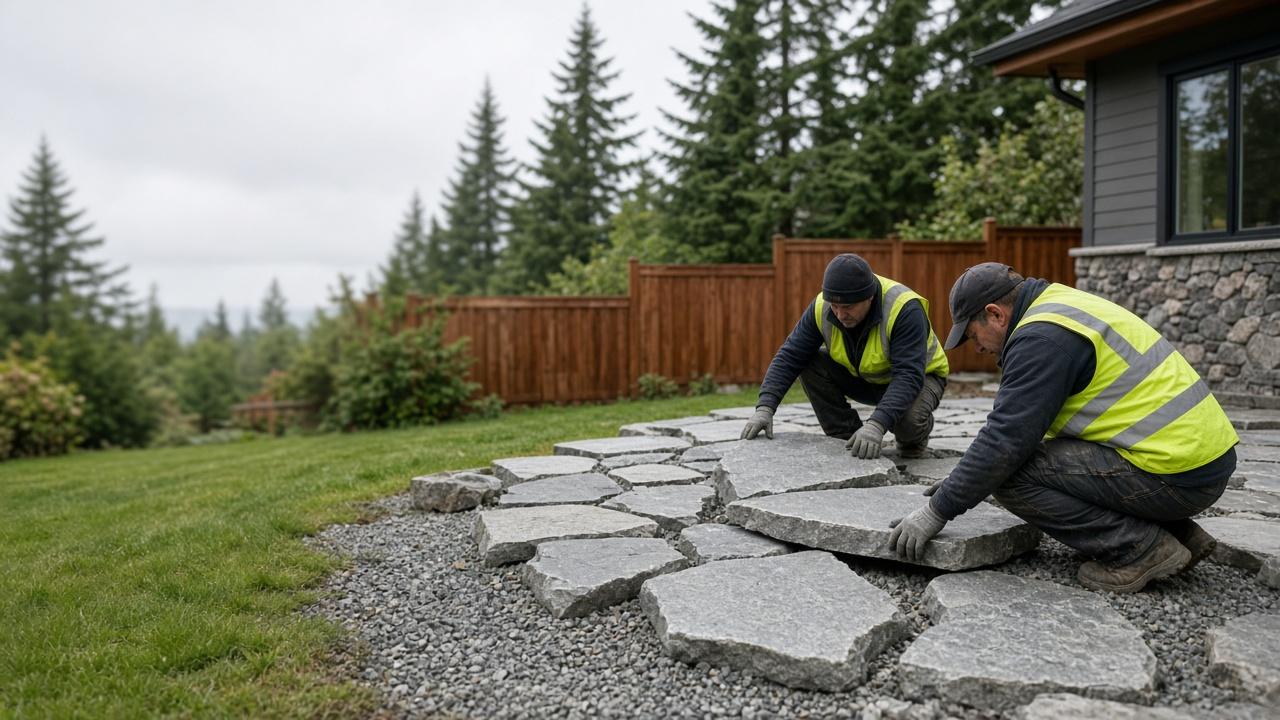
Vancouver's preferred hardscaping contractor
Hardscaping
Vancouver.
Built to last
Patios, retaining walls, interlocking pavers, fire features, outdoor kitchens, and landscape construction — built for the Pacific Northwest and made to last.
Get a Free Quote
Tell us about your project. We'll follow up the same day.
What We Do
Hardscaping Services in Vancouver
From a simple walkway to a full outdoor living transformation, Vancouver Hardscaping Pros connects you with contractors who know Vancouver's terrain, weather, and permit requirements.
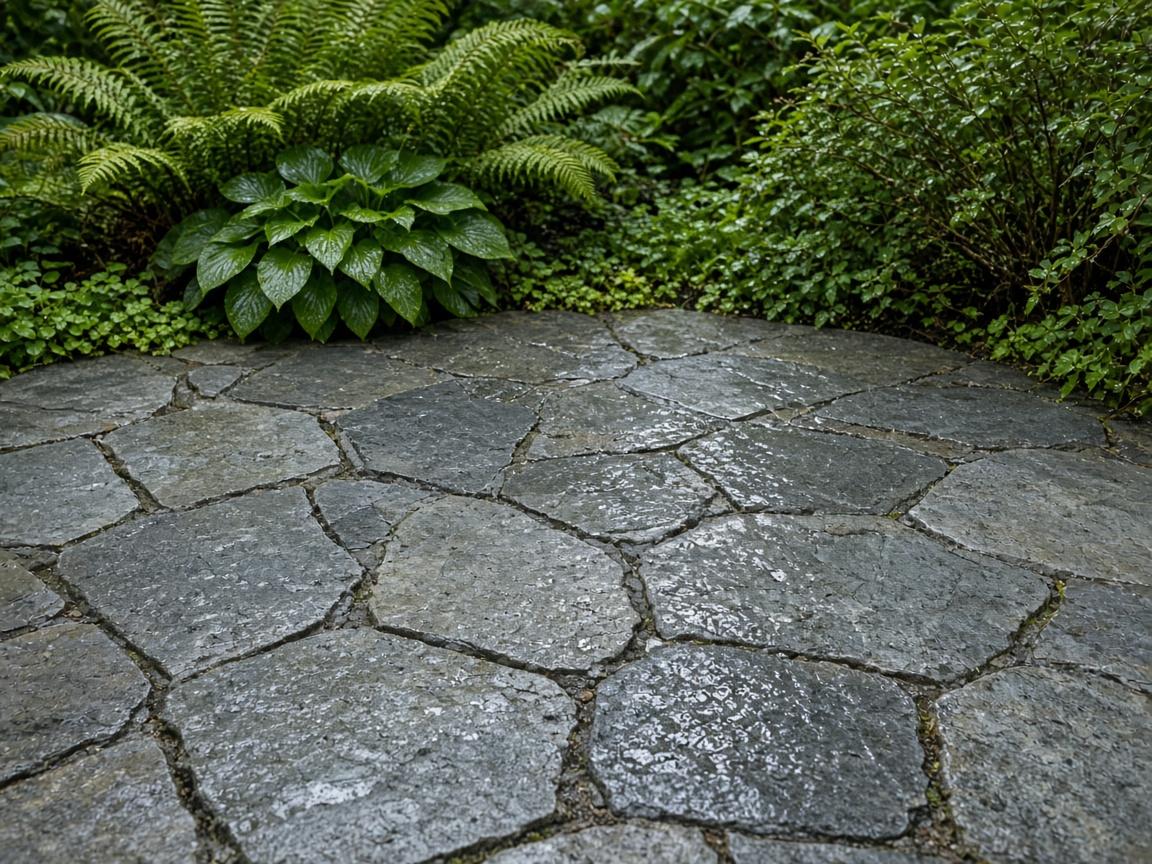
Patio Installation
A well-built patio is the foundation of every great outdoor space. Vancouver's climate demands materials and d…
Learn more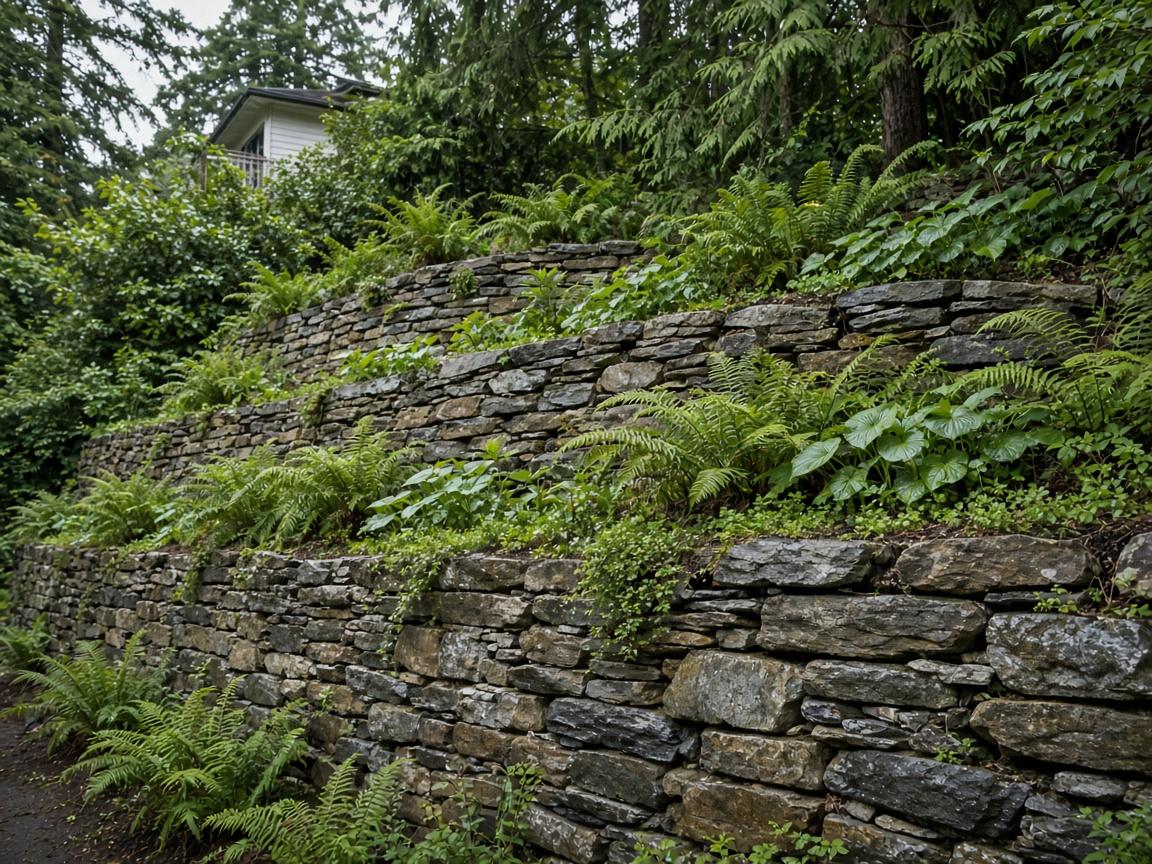
Retaining Walls
Vancouver's hillside lots and heavy rainfall create real soil movement. A properly engineered retaining wall s…
Learn more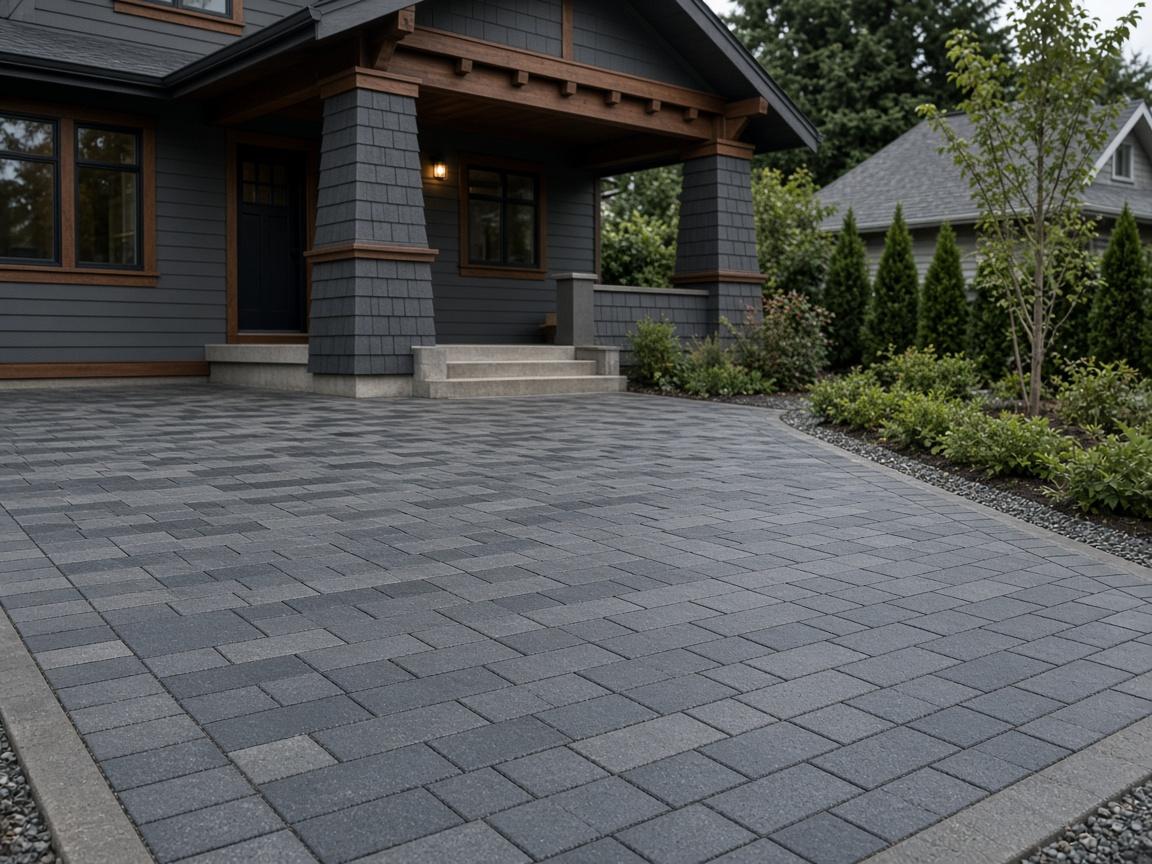
Interlocking Pavers
Interlocking pavers give you the clean look of a custom driveway or patio with the flexibility to repair indiv…
Learn more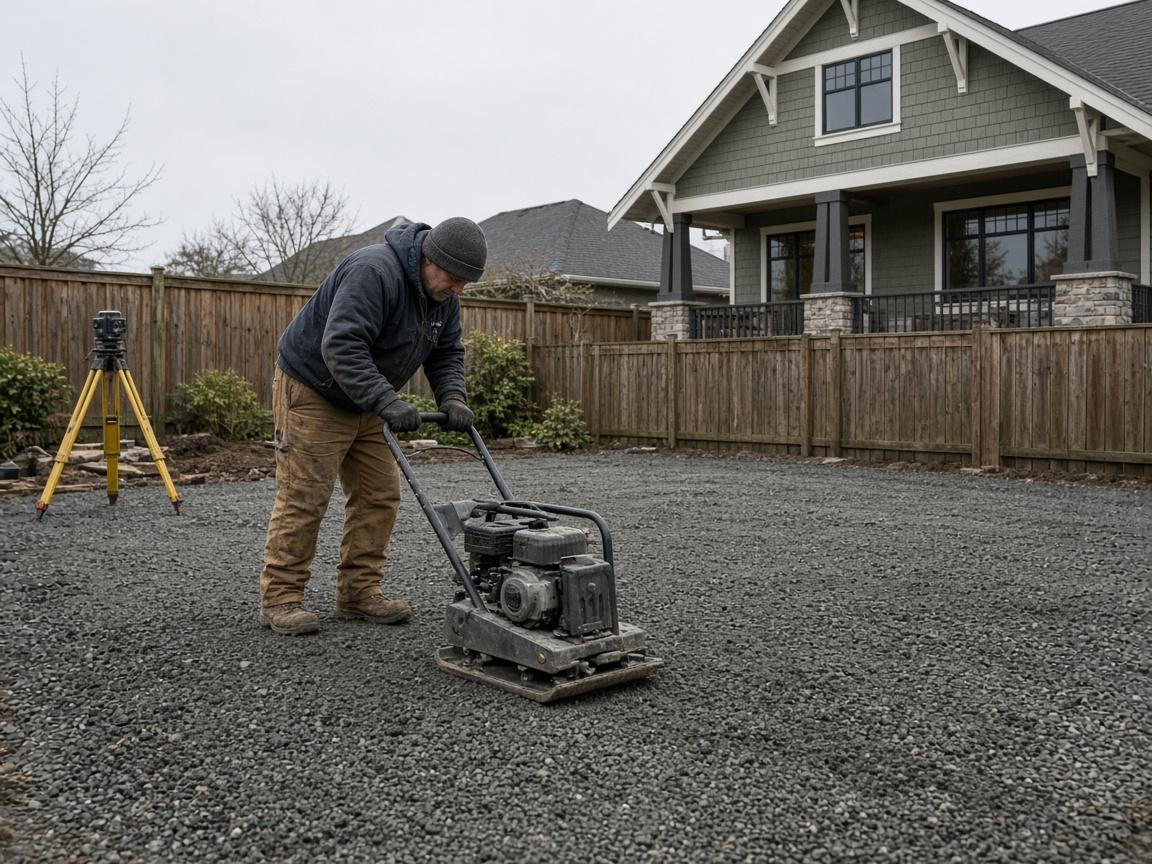
Landscape Construction
Landscape construction is the foundation that every other outdoor improvement sits on. Before a single paver g…
Learn more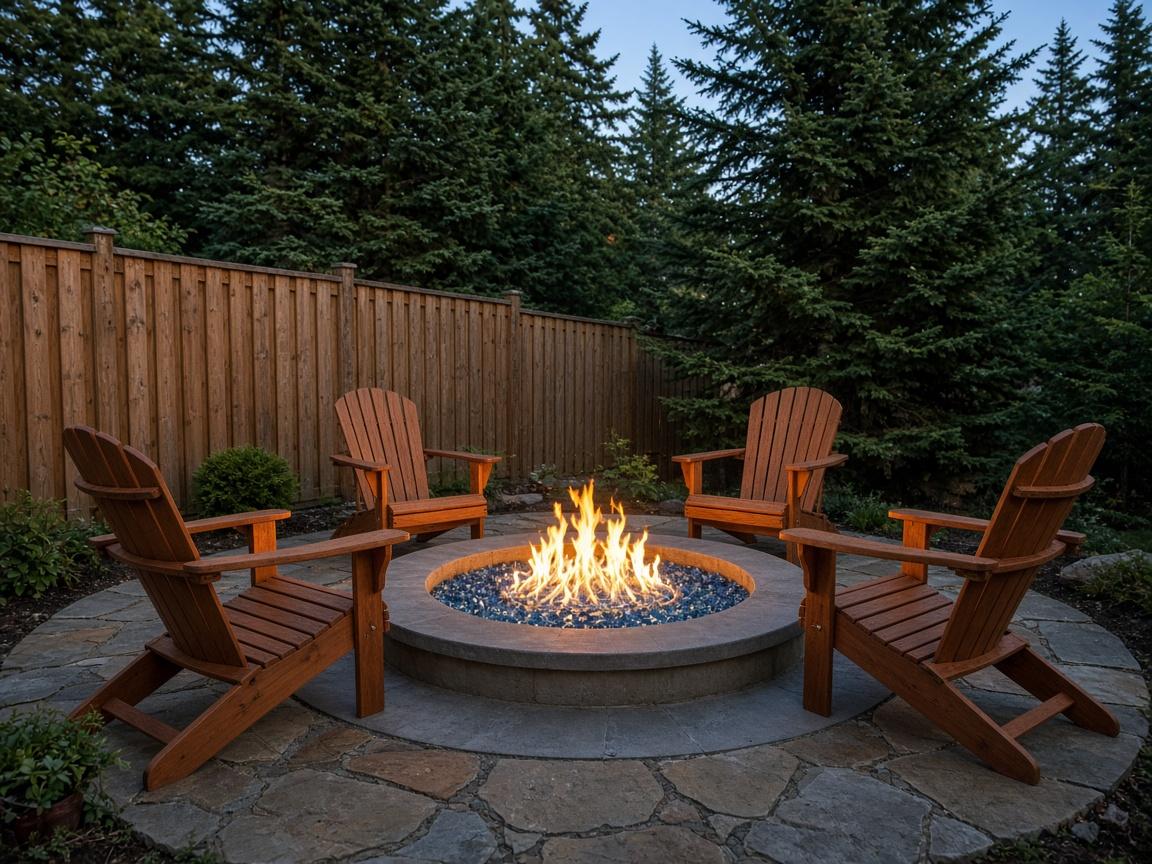
Outdoor Fireplaces & Fire Pits
A built-in outdoor fireplace or fire pit turns a good patio into a great one. In Vancouver, where the shoulder…
Learn more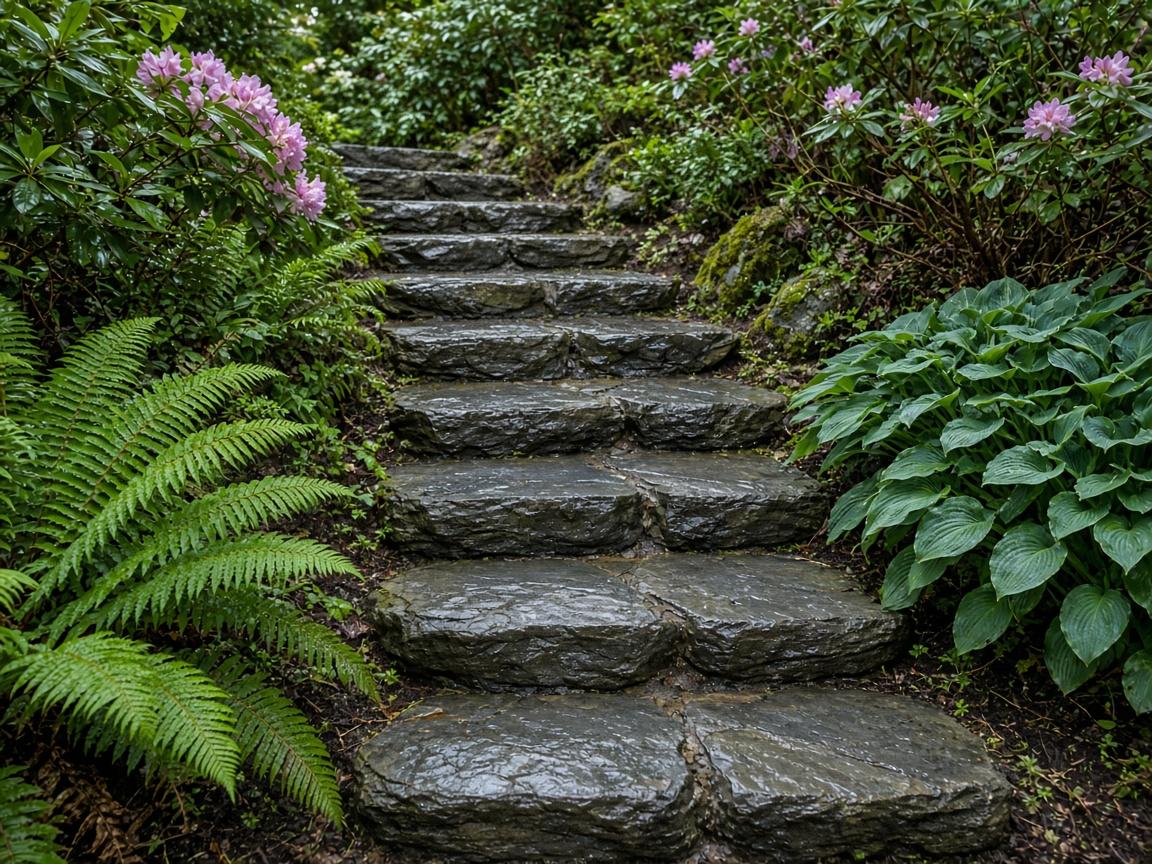
Steps & Walkways
Outdoor steps and walkways do two things: they move people safely from one part of your property to another, a…
Learn more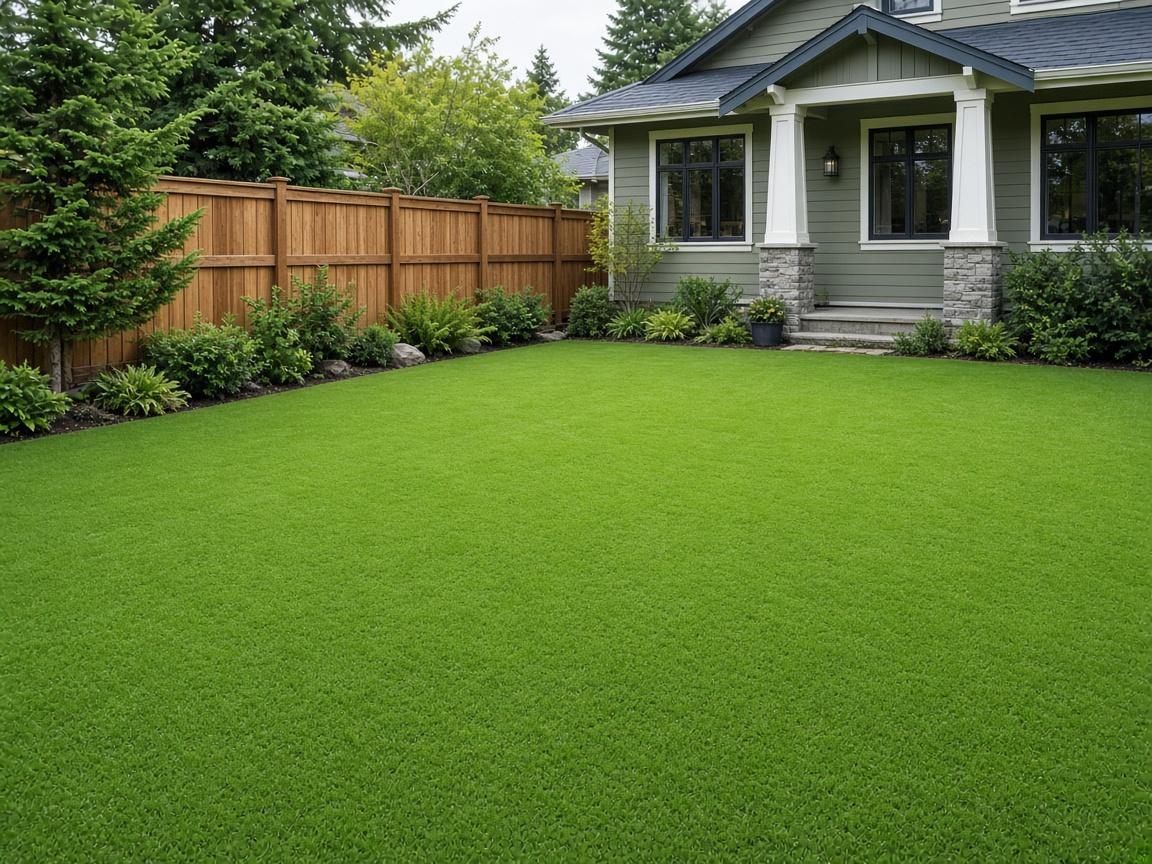
Artificial Turf
Vancouver's wet winters turn real lawns into muddy patches by November. Artificial turf solves that completely…
Learn more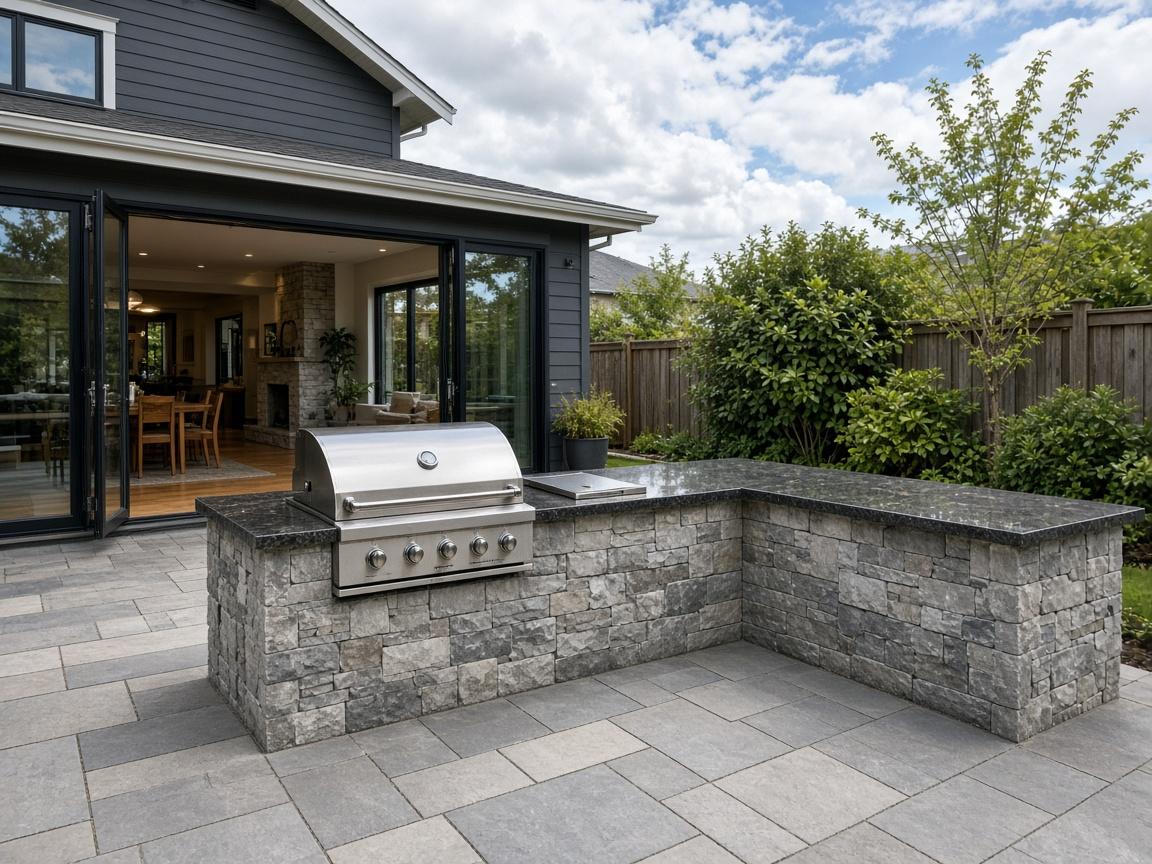
Outdoor Kitchens
An outdoor kitchen changes how you use your backyard entirely. Instead of running inside between the grill and…
Learn more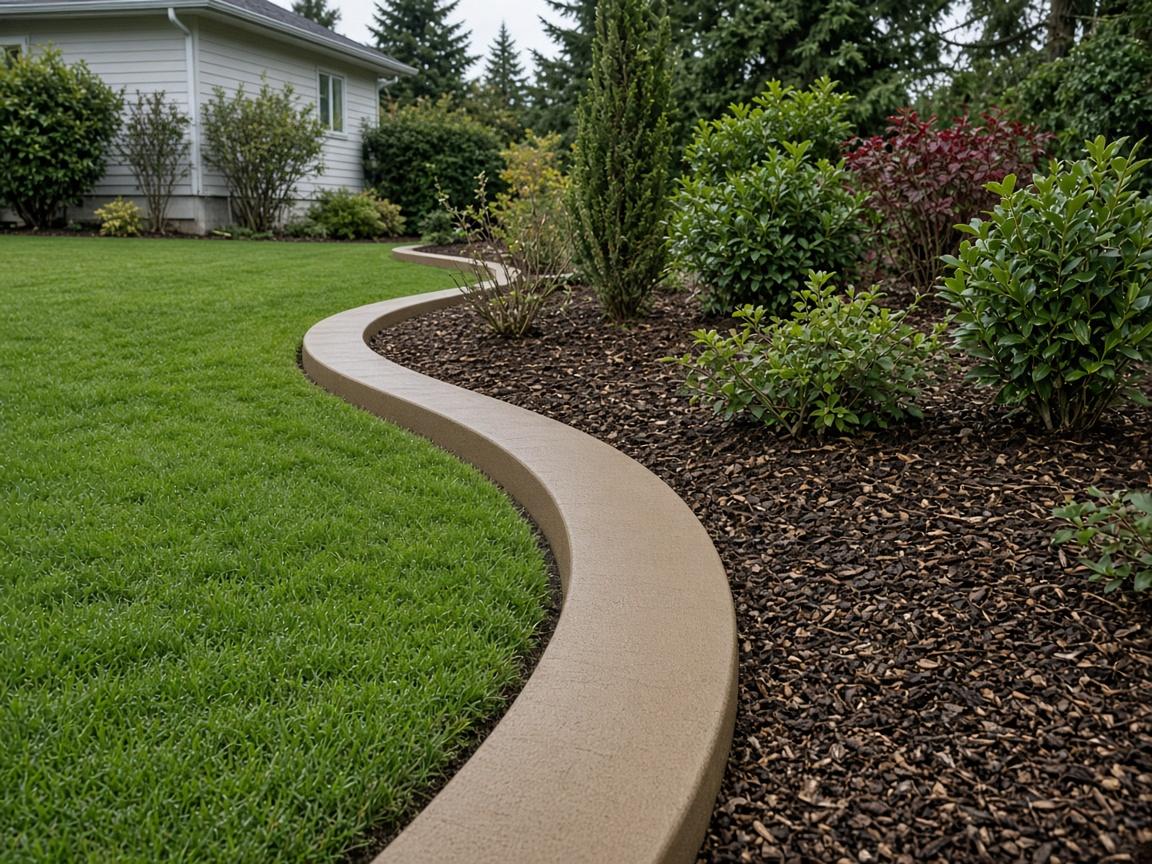
Landscape Curbing
Landscape curbing draws the line between the parts of your yard that are supposed to stay soft and the parts t…
Learn moreWhy Choose Us
Hardscaping Built for Vancouver's Climate
Vancouver gets 1,150 mm of rain a year, and most of it falls between October and April. A patio that isn't built with proper drainage, a sub-base that handles freeze-thaw movement, and materials rated for Pacific Northwest exposure will start failing within a few years. Every contractor we work with builds to BC's wet climate first.
Beyond the technical side, hardscaping in Vancouver requires navigating local permit requirements for retaining walls over 1.2 metres, setback rules for structures near property lines, and stormwater management bylaws. Our network knows the regulations before they break ground.
Hardscaping Vancouver: What It Costs, What to Expect, and How to Get It Right
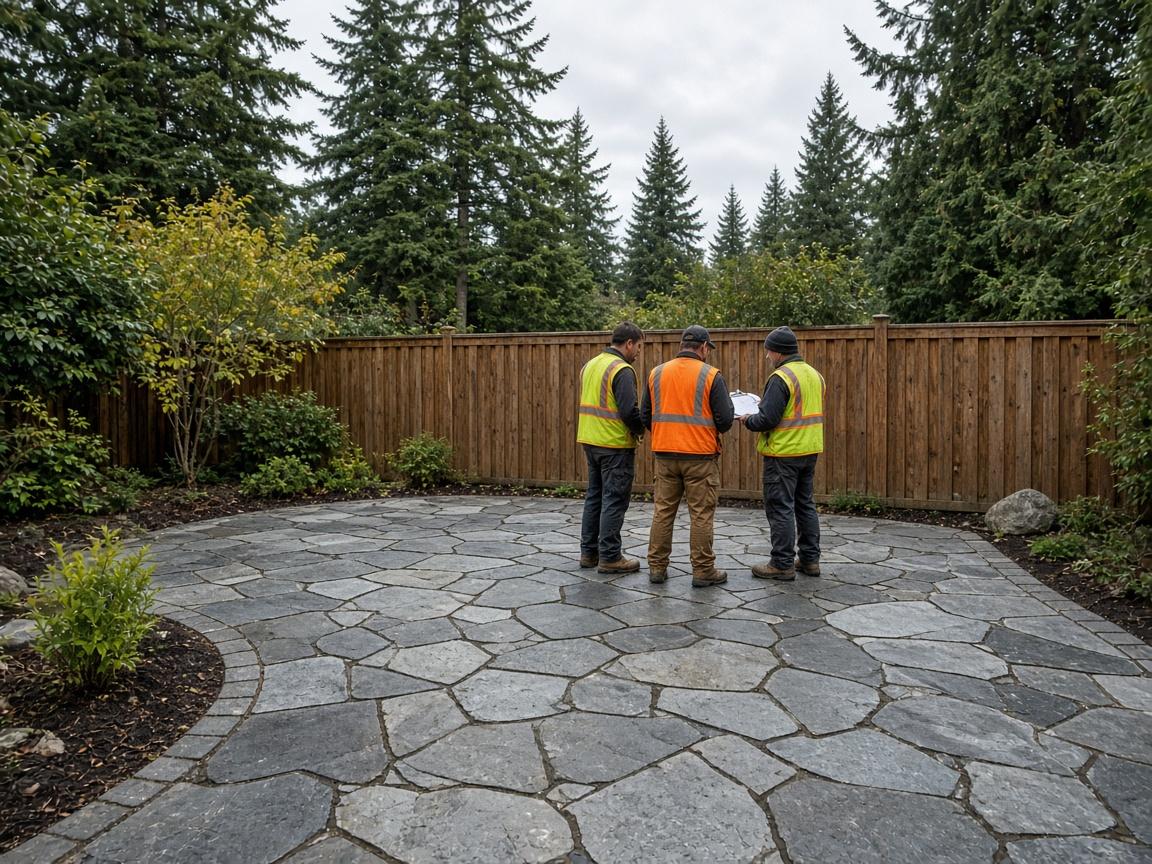
Hardscaping is the category of outdoor improvement that deals with non-living, hard surfaces — patios, driveways, retaining walls, steps, walkways, fire features, and outdoor kitchens. In Vancouver's densely developed residential neighbourhoods and across the broader Lower Mainland, hardscaping projects are driven by two things: the desire to create usable outdoor living space in a climate that makes traditional lawn maintenance miserable, and the need to manage slope and drainage on the region's hilly, wet terrain.
The Pacific Northwest's soil conditions play a major role in every hardscaping project in the Vancouver area. Clay-heavy soils in Burnaby, Surrey, and Coquitlam expand and contract with moisture. Sandy alluvial soils in Richmond and Delta settle unevenly. Hillside properties in North Vancouver and West Vancouver have active soil movement from rain saturation. A contractor who treats every site the same regardless of soil type will build you something that looks great at first and starts settling or heaving within a couple of years.
What Goes Into a Quality Hardscaping Project in Vancouver
A well-built patio, retaining wall, or driveway always starts well below the surface. Sub-base preparation — compacted crushed gravel at the right depth for the material and load — is the single biggest variable in how long a hardscaping project will last. On most residential patio projects in the Lower Mainland, that means 6 to 10 inches of compacted 3/4-inch crushed gravel over undisturbed or well-compacted subgrade. For driveways handling vehicle traffic, deeper sub-base and sometimes geotextile fabric beneath is warranted.
Drainage is the second major factor that separates professional hardscaping work from DIY results that fail. Any paved surface needs to direct water away from your foundation. In Vancouver, where a single fall storm can deposit 50+ mm of rain in a day, a patio that slopes even slightly toward the house will eventually cause moisture damage. On larger projects — full driveway installs, major patio areas, anything adjacent to a retaining wall — drainage swales, perforated pipe, and catch basins are often the difference between a project that holds up for 20 years and one that needs to be rebuilt in five.
Retaining Walls in Vancouver: Why They're So Common
Greater Vancouver has some of the most varied residential terrain in Canada. The North Shore mountains drop steeply toward the water. Burnaby's central spine rises 300 metres above sea level. Coquitlam's Burke Mountain is all high-grade residential, and West Vancouver's hillside streets are famously dramatic. In every one of these settings, retaining walls are not aesthetic — they're structural necessities that keep your yard from sliding.
Under BC Building Code (and most Metro Vancouver municipal bylaws), retaining walls over 1.2 metres in height require a building permit and in many cases a structural engineer's stamp. Walls built without permits are a problem when you try to sell your home — they show up on inspections and can require costly remediation. Any contractor suggesting you skip the permit on a tall wall is saving you nothing.
The most common retaining wall materials in the Vancouver area are concrete segmental block (Unilock, Allan Block, and similar systems), poured concrete, natural stone (dry-stack or mortared), and large-format natural boulders. Each has different structural characteristics, drainage requirements, and aesthetic outcomes. Contractors in our network help homeowners select the right system for their slope angle, soil type, and visual preferences.
Interlocking Pavers vs. Poured Concrete: Which Is Right for You?
This is the most common question we hear from Vancouver homeowners planning a new driveway or patio. Both are solid choices when properly installed, but they suit different priorities.
Interlocking pavers have one major advantage: individual units can be removed and relaid if you ever need to access the utilities below, or if a section settles or heaves over time. In Vancouver, where underground drainage, gas lines, and irrigation systems often run beneath driveways and patios, this is a practical consideration. Paver surfaces also flex slightly with freeze-thaw cycles rather than cracking, which is why they perform well in the colder Lower Mainland winters and in the Fraser Valley.
Poured concrete is typically more economical on large areas, and when finished with exposed aggregate, stamped patterns, or brushed texture, it can look excellent. It does require expansion joints placed correctly to control where cracking happens, and those joints need to be properly sealed and maintained over the years. A concrete driveway done well will last 30+ years in Vancouver's climate.
Vancouver's Outdoor Season and Why Hardscaping Investment Makes Sense
Vancouver's reputation as a rainy city is well-earned, but the outdoor season here is longer than most Canadians assume. April through October brings reliably dry stretches, warm evenings, and the kind of weather that makes a well-designed patio the most-used room in the house. And with a covered outdoor kitchen or a fire feature, you can push that season well into November and pick it back up in March.
Metro Vancouver's real estate market also makes outdoor improvements financially sensible. Properties with professionally designed and installed outdoor living spaces consistently attract more buyer interest and higher valuations. A quality hardscaping package — patio, steps, and some landscape curbing — is one of the better returns on outdoor improvement in the region.
How It Works
How Your Vancouver Hardscaping Project Works
Simple process. Clear communication. No surprises.
Tell Us What You're Planning
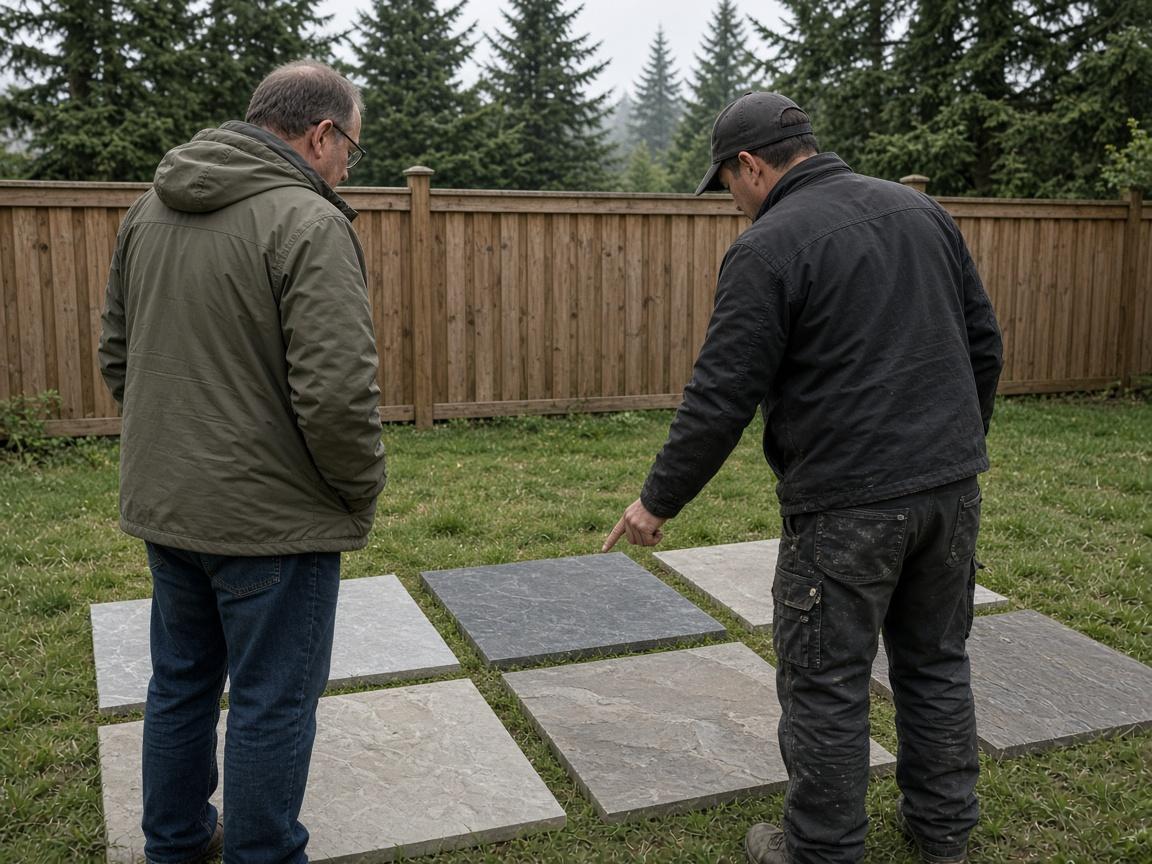
Call us or fill out the quick quote form. Describe your project — what you want, where the property is, and roughly when you're looking to start. No detailed specs needed at this stage.
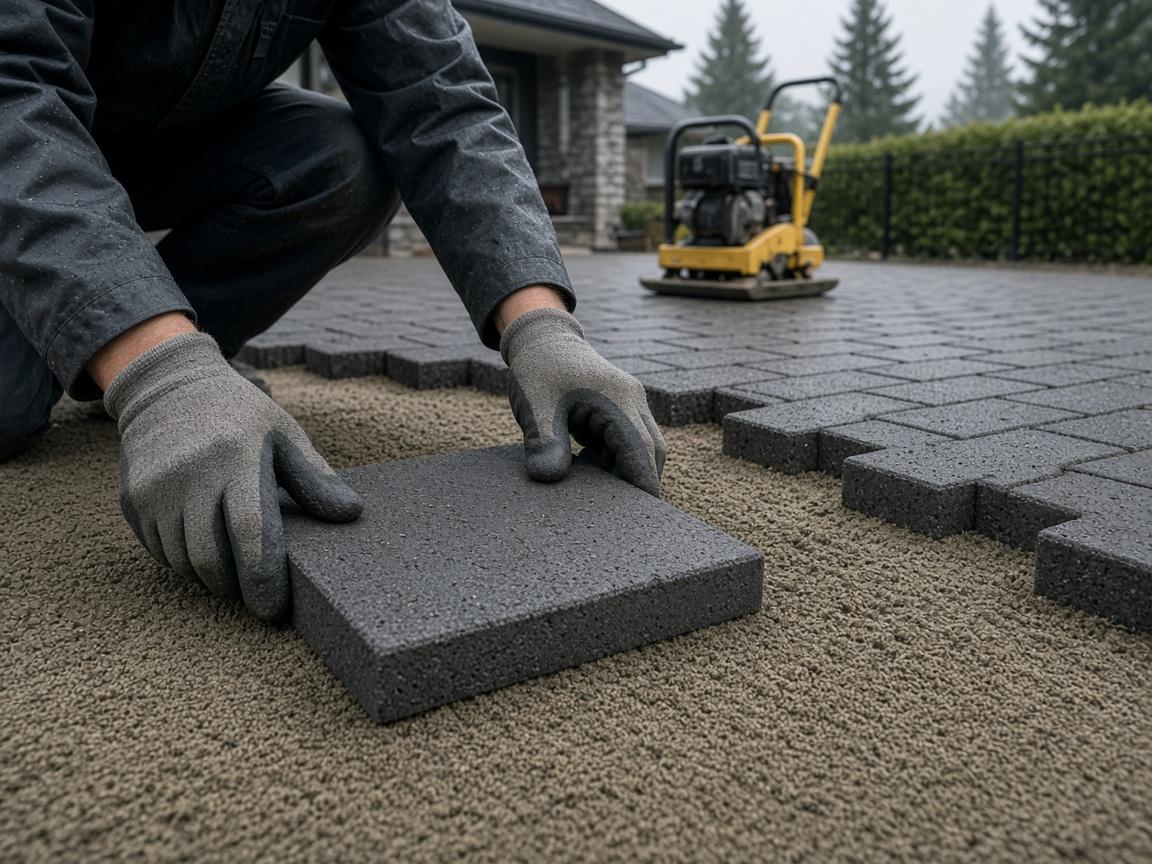
On-Site Consultation
We'll arrange a visit to walk the property, assess site conditions, discuss material options, and talk through anything that affects scope — drainage, slope, permits, underground utilities. No charge for the consultation.
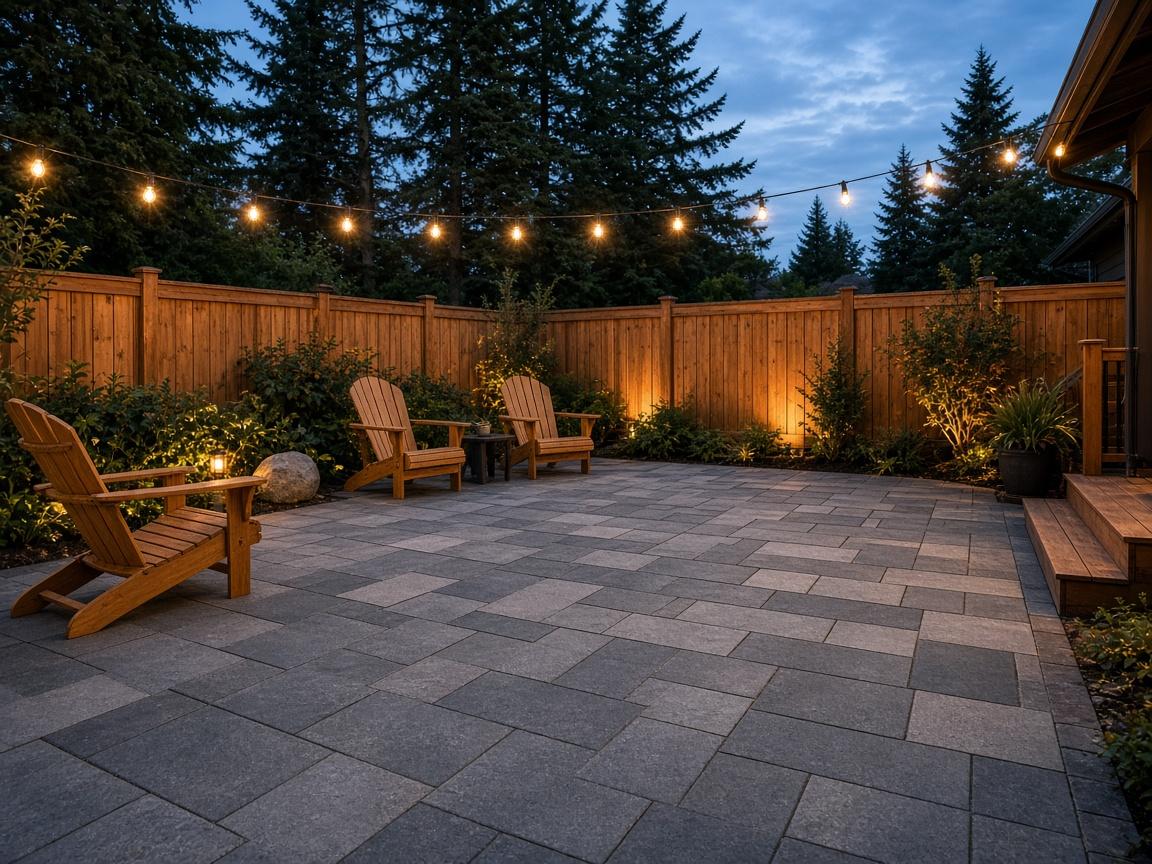
Professional Installation
Experienced crews handle all aspects of the install. Sub-base prep, material delivery, laying, compaction, cutting, and cleanup. You get a finished outdoor space without the coordination headaches.
Where We Work
Hardscaping Across Greater Vancouver & the Lower Mainland
Every community in Metro Vancouver has its own soil conditions, slope challenges, and permit quirks. We've worked across all of them.
Frequently Asked Hardscaping Questions
Do I need a permit for a patio in Vancouver?↓
What hardscaping materials work best in Vancouver's climate?↓
How long does a patio installation take?↓
Can you build a retaining wall on a sloped lot in North Vancouver or West Vancouver?↓
What's the difference between interlocking pavers and stamped concrete for a driveway?↓
Do you do artificial turf installation in Vancouver?↓
Can you install an outdoor kitchen in Vancouver?↓
What areas do you serve?↓
Ready to Start?
Get a Free Hardscaping Quote in Vancouver
Tell Vancouver Hardscaping Pros about your project and we'll connect you with an experienced contractor in your area. No obligation. Free on-site consultation included.