Garden steps Vancouver
Outdoor steps and walkways are the most safety-critical hardscaping elements on any property. A step that settles, heaves, or develops a lip becomes a tripping hazard. A walkway that holds puddles or develops an algae-slick surface in Vancouver's wet winters creates real liability. We treat both with the same structural attention we'd give a retaining wall.
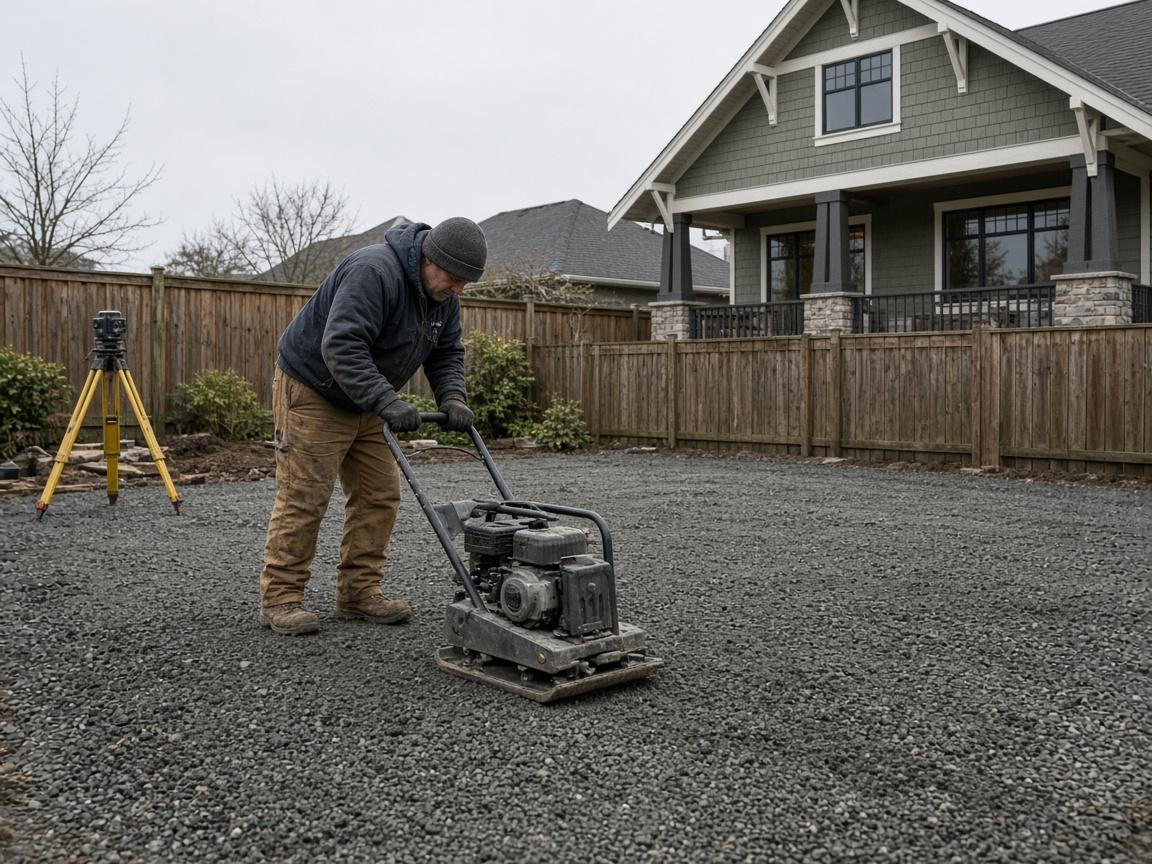
The most common reason outdoor steps fail in Vancouver is poor sub-base preparation beneath the landing and treads. Heavy clay soils expand when wet and freeze, pushing steps upward. Steps that are cast in place without adequate crushed rock beneath them will inevitably heave and separate. We install a continuous compacted gravel base under the entire stair run, not just under individual treads, and ensure adequate drainage away from the structure so water doesn't pool and saturate the sub-base.
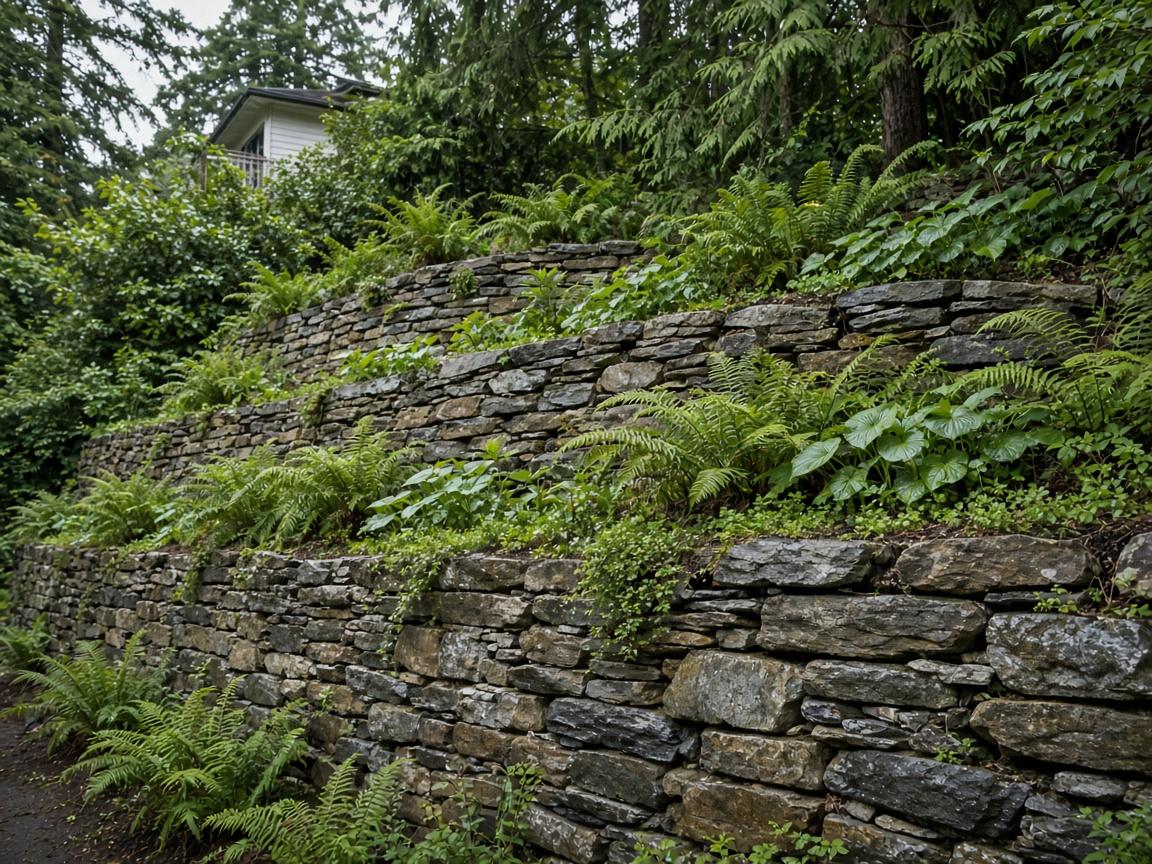
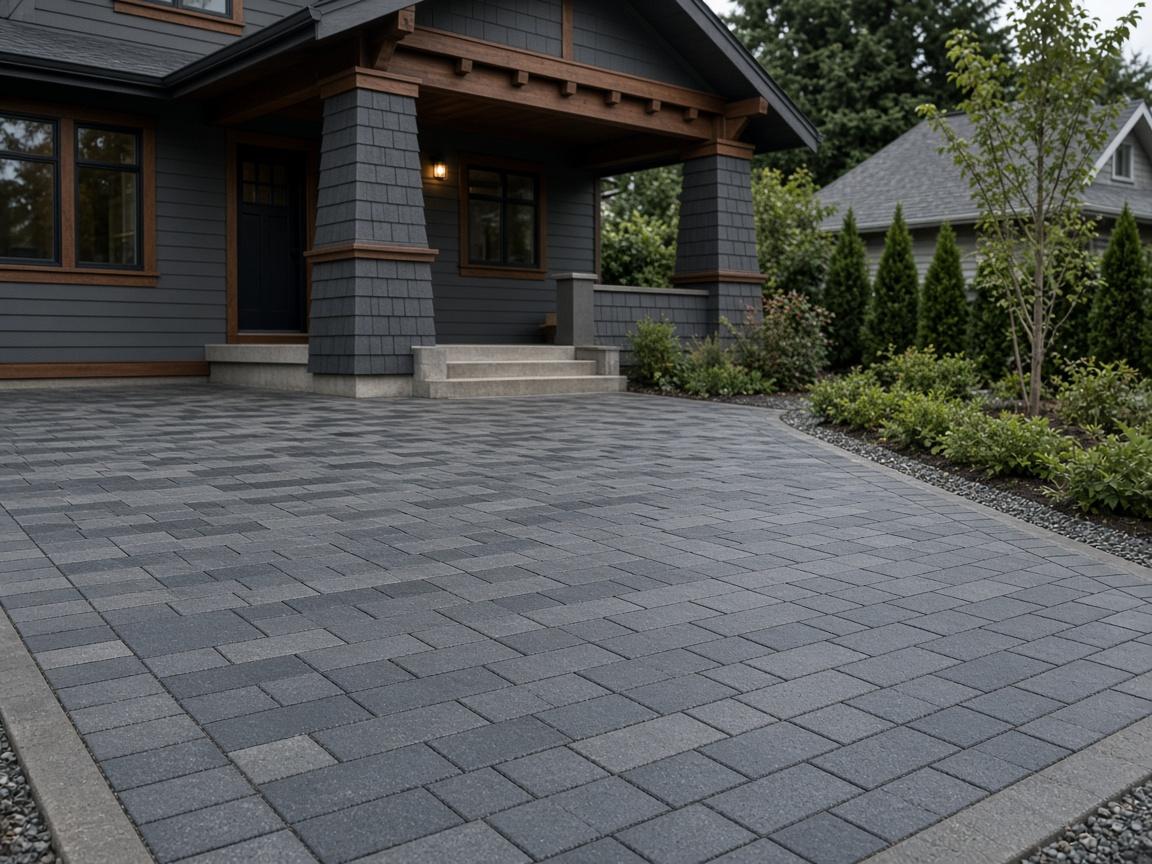
Materials for garden steps in the Vancouver area run from rough-cut natural granite or basalt for a rugged, naturalistic look to precision-cut bluestone for a clean, formal aesthetic. Concrete paver steps from manufacturers like Unilock and Belgard are popular for their consistency and the ability to match adjacent patio or driveway pavers. Cast-in-place concrete steps with exposed aggregate finish are durable and economical, particularly for high-traffic residential entries.
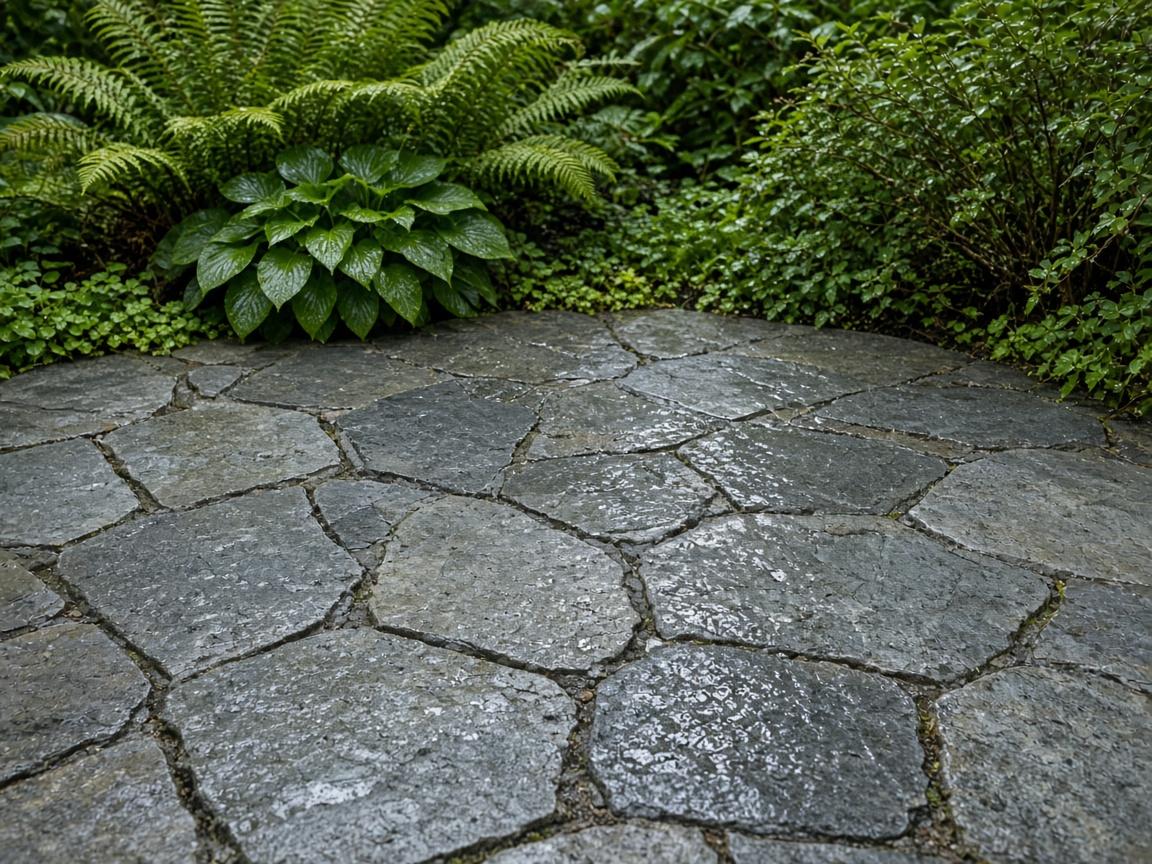
Walkways are often the last element homeowners think about but one of the first things visitors notice. A well-laid flagstone path with ground cover between the stones, a clean interlocking paver walkway, or a smooth concrete walkway with soldier-course borders all make a significant difference in how a property looks from the street. Beyond aesthetics, walkways need to be wide enough to use comfortably (a minimum of 1.2 metres for a single-person walk, 1.8 metres for side-by-side), properly graded to shed water, and built with a surface texture that provides grip in wet conditions.
In Vancouver's more formal neighbourhoods — Point Grey, Shaughnessy, Kerrisdale — natural stone steps and walkways in traditional materials like limestone, sandstone, and Belgian block add to property character. In newer suburban developments, concrete paver systems in clean rectangular formats tend to complement the architecture. We discuss material character alongside function during the design conversation.
What's included
- Structural sub-base prevents frost heave and settlement
- Proper riser-to-tread ratio for safe, comfortable use
- Slip-resistant surface textures for Vancouver's wet conditions
- Materials coordinated with existing patio, driveway, or landscape design
- Adequate width and landings for safe navigation
How we approach the project
- 1Site measurement — rise, run, total height, and width requirements
- 2Material selection and layout design
- 3Excavation and compacted gravel sub-base installation
- 4Footing or base slab poured where required for taller step runs
- 5Tread and riser installation with proper slope
- 6Walkway layout and drainage grading
- 7Polymeric sand jointing on paver surfaces
- 8Final inspection and cleanup
Steps & Walkways Available Across Greater Vancouver
Steps & Walkways FAQ
What's the right step height for outdoor stairs?↓
What's the best material for outdoor steps in Vancouver?↓
How wide should a garden path be?↓
Can I add steps to a sloped backyard?↓
Ready to talk about your project? Vancouver Hardscaping Pros is here to help. Call or fill out the quote form and we'll get back to you the same day.